Libya
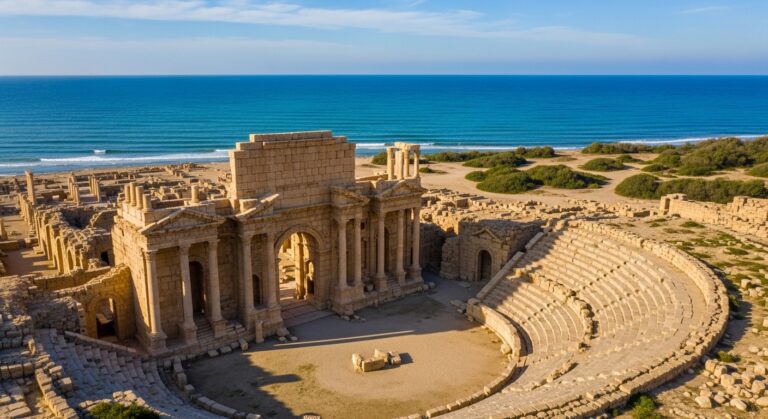
Libya, along the southern Mediterranean, has been shaped by Berber, Phoenician, Greek, Roman, Byzantine, Arab, and Ottoman influences.
Historical Overview
Libya, along the southern Mediterranean, has been shaped by Berber, Phoenician, Greek, Roman, Byzantine, Arab, and Ottoman influences. Ancient cities like Leptis Magna and Sabratha reflect their cosmopolitan past. Christianity reached Libya during Roman times, especially in Cyrenaica and Tripolitania, flourishing until Islam’s spread in the 7th century. Modern Libya experienced Italian colonization, Gaddafi’s long rule, and the 2011 uprising, leaving a society influenced by tribal bonds, hospitality, and Islamic traditions amid ongoing instability.
Historical Overview
Libya, along the southern Mediterranean, has been shaped by Berber, Phoenician, Greek, Roman, Byzantine, Arab, and Ottoman influences. Ancient cities like Leptis Magna and Sabratha reflect their cosmopolitan past. Christianity reached Libya during Roman times, especially in Cyrenaica and Tripolitania, flourishing until Islam’s spread in the 7th century. Modern Libya experienced Italian colonization, Gaddafi’s long rule, and the 2011 uprising, leaving a society influenced by tribal bonds, hospitality, and Islamic traditions amid ongoing instability.
Current Status
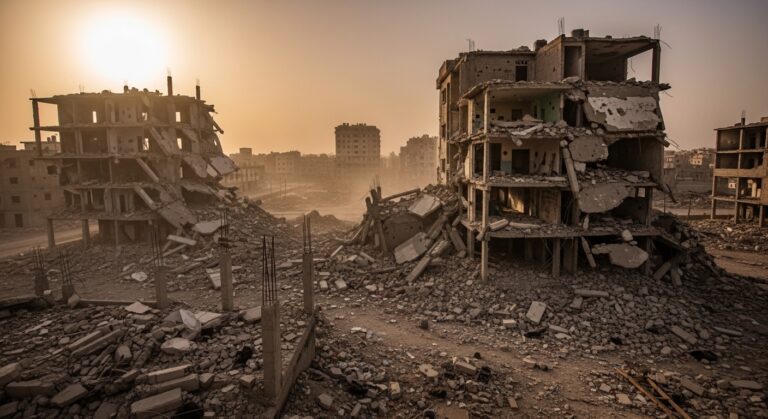
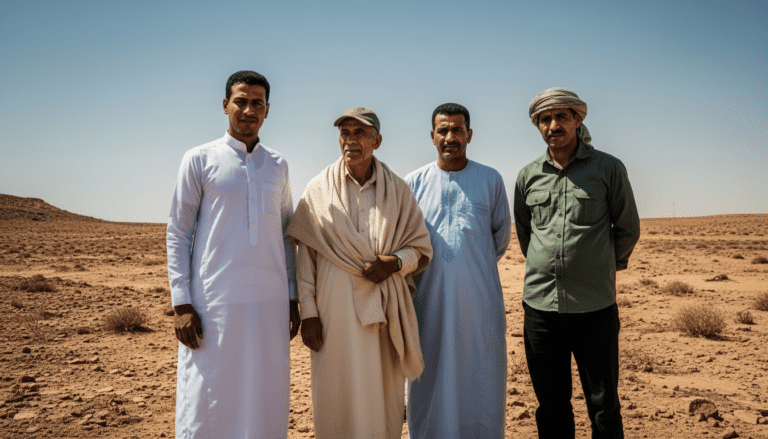
Today, Libya is deeply fractured, with rival governments, militias, and extremist groups controlling parts of the country. Despite oil wealth, poverty, displacement, and damaged infrastructure affect millions. Most Libyans are Sunni Muslims, and Christianity survives largely in secrecy. Converts face severe persecution, while expatriate believers worship under constant risk. Bibles and fellowship are scarce, leaving many Christians isolated. Yet the faith of Libya’s believers endures. Small numbers quietly persevere, sharing Christ through trusted networks and digital media. Amid fear, loss, and chaos, these Christians testify that God is present, sustaining His people and bringing hope even in the darkest circumstances.
Testimonials
God is working through us to reach seekers’ hearts and transform their lives. All the names of the shared testimonies have been changed, concealing their identity to protect them.
Prayer
“When you pray, you join a global movement that strengthens underground churches, encourages new believers, and opens doors in unreached nations.