Algeria
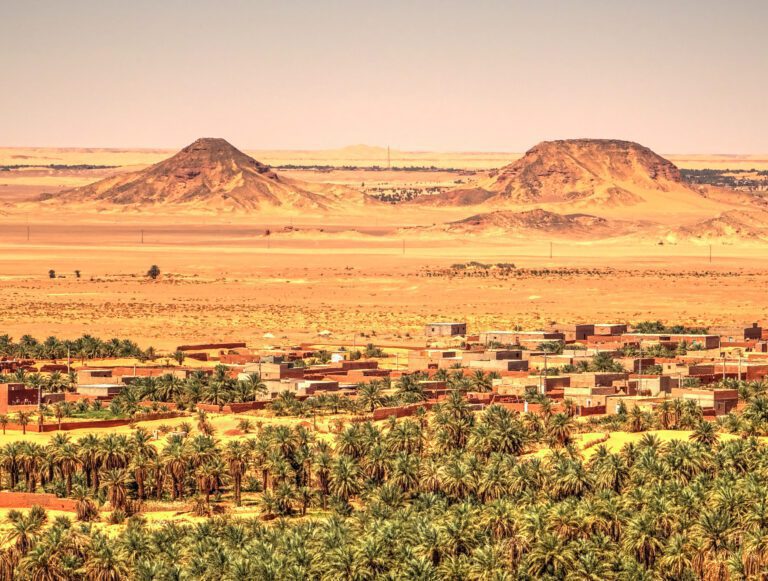
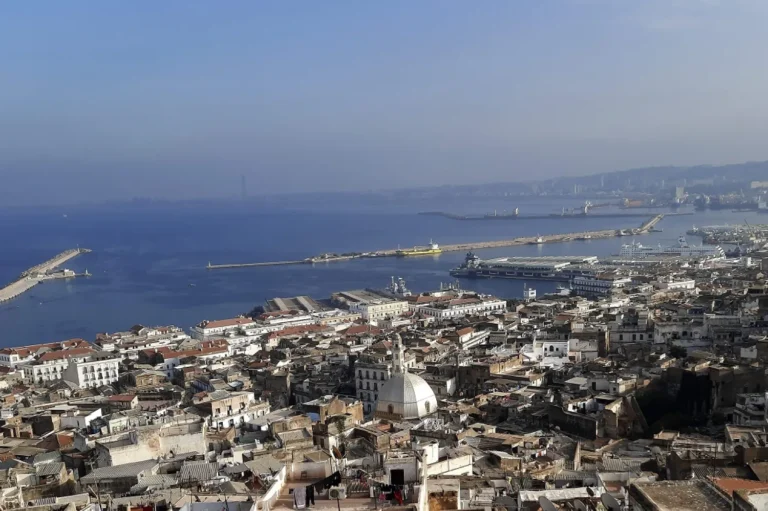
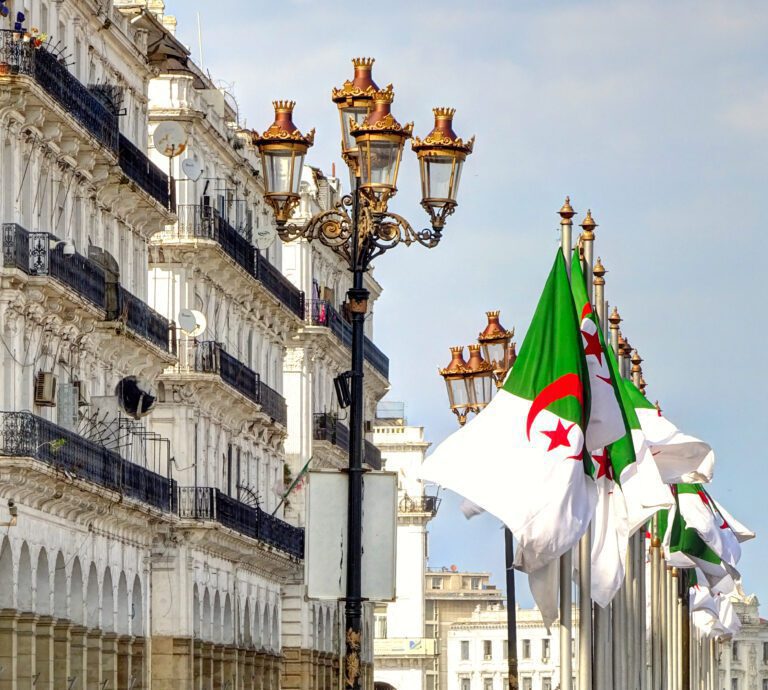
Algeria, North Africa’s largest country, has been shaped by Berber (Amazigh), Phoenician, Roman, Arab, and Ottoman influences.
Historical Overview
Algeria, North Africa’s largest country, has been shaped by Berber (Amazigh), Phoenician, Roman, Arab, and Ottoman influences, followed by 130 years of French colonization, ending with independence in 1962 after a hard-fought war. Its culture blends Arab-Islamic and Berber traditions, French legal and linguistic legacies, family and village life, and the economic centrality of oil and gas. Christianity in Algeria dates back to the Roman province of Numidia, producing early thinkers like Augustine of Hippo, whose writings shaped Western Christianity. Christianity largely faded after the Arab-Islamic centuries but reappeared during French rule. Today, Algerian Christians are mainly Protestants, foreign nationals, and a small number of Algerian converts, particularly among Berbers rediscovering their historic faith.
Historical Overview
Algeria, North Africa’s largest country, has been shaped by Berber (Amazigh), Phoenician, Roman, Arab, and Ottoman influences, followed by 130 years of French colonization, ending with independence in 1962 after a hard-fought war. Its culture blends Arab-Islamic and Berber traditions, French legal and linguistic legacies, family and village life, and the economic centrality of oil and gas. Christianity in Algeria dates back to the Roman province of Numidia, producing early thinkers like Augustine of Hippo, whose writings shaped Western Christianity. Christianity largely faded after the Arab-Islamic centuries but reappeared during French rule. Today, Algerian Christians are mainly Protestants, foreign nationals, and a small number of Algerian converts, particularly among Berbers rediscovering their historic faith.
Current Status
Algeria, the government’s promotion of Islamic values. Christian. Despite this, the Church is growing with Berber Christians playing a leading role. Churches exhibit unity, courage, and bold witness. Access to Bibles is limited and closely monitored, and communities provide fellowship and discipleship.
Algeria’s Church stands as a vibrant testimony of perseverance and faith, demonstrating that even under oppression, God is at work—strengthening believers, and raising up a generation of courageous witnesses for His Kingdom.
Testimonials
God is working through us to reach seekers’ hearts and transform their lives. All the names of the shared testimonies have been changed, concealing their identity to protect them.
Prayer
“When you pray, you join a global movement that strengthens underground churches, encourages new believers, and opens doors in unreached nations.